
Embark on a journey through the ins and outs of roofing and siding inspections near you. Discover the crucial aspects, common issues, and essential preparations homeowners need to know before an inspection takes place.
Delve into the world of roofing and siding inspections with a detailed exploration of what to anticipate during the process.
Understanding the Purpose of Roofing and Siding Inspections
Regular inspections for roofing and siding are crucial to maintaining the structural integrity of a building. By conducting these inspections, potential issues can be identified early on, allowing for prompt repairs and preventing costly damages in the long run.Identifying Potential Issues Early
Inspections play a key role in detecting problems such as leaks, missing shingles, cracks, rot, or mold growth. Addressing these issues promptly can prevent further damage to the roof and siding, extending their lifespan and ensuring the safety of the property.- Leak Detection: Inspections can reveal signs of water infiltration, such as water stains on ceilings or walls, which may indicate a leak in the roof.
- Missing Shingles: By inspecting the roof, missing or damaged shingles can be identified and replaced before causing water damage to the underlying structure.
- Cracks and Rot: Regular inspections can uncover cracks in the siding or signs of rot, allowing for repairs to be made before extensive damage occurs.
- Mold Growth: Inspections help in spotting mold growth on the siding, which not only affects the aesthetics but also poses health risks to occupants.
Preparing for a Roofing and Siding Inspection
 When preparing for a roofing and siding inspection, homeowners should ensure that their property is ready for a thorough evaluation. This involves taking certain steps to make sure that inspectors can access all areas needing inspection and that there are no obstacles hindering the process.
Clearing Debris and Obstacles
Before the inspection, it is crucial to clear any debris or obstacles that may impede the inspector's ability to assess the condition of your roof and siding. This includes removing any branches, leaves, or other debris that may have accumulated on the roof or around the property. Additionally, ensure that there are no overgrown bushes or plants blocking access to the siding or roof.- Trim trees and bushes: Ensure that trees and bushes are trimmed back to provide clear access to the roof and siding.
- Remove clutter: Clear any items such as furniture, toys, or equipment that may be blocking the inspector's path.
- Clean gutters: Make sure that gutters are clear of debris to allow for proper drainage and inspection.
- Secure pets: If you have pets, make arrangements to keep them secure and away from the inspection area to prevent any interference.
What to Expect During a Roofing Inspection
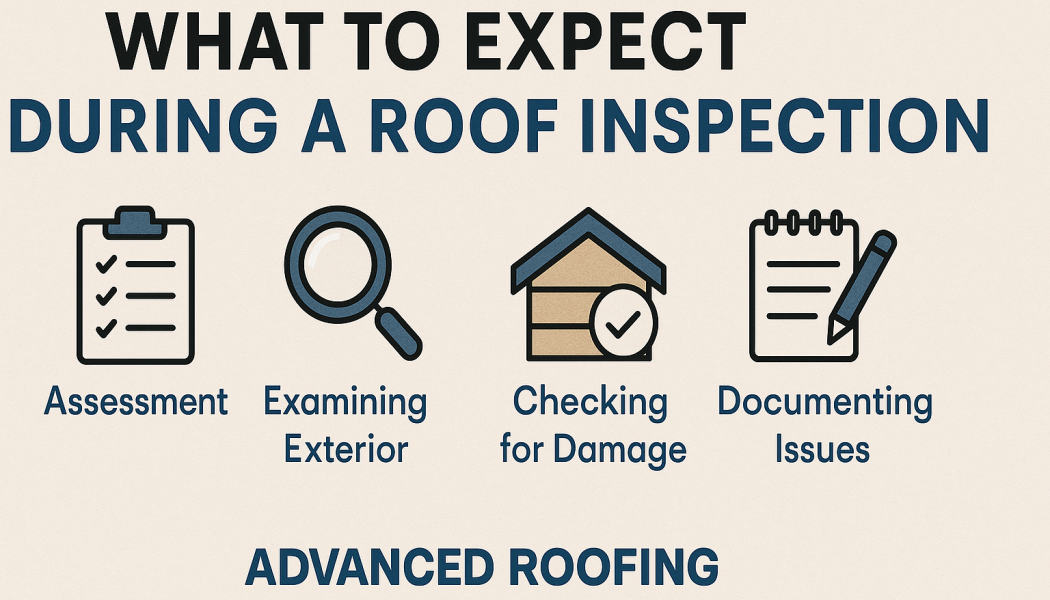 When you schedule a roofing inspection, you can expect the process to be thorough and detailed. Inspectors follow a specific protocol to assess the condition of your roof and identify any potential issues that may need attention. Here's what you can expect during a roofing inspection:
Typical Process Followed by Inspectors
During a roofing inspection, inspectors typically start by conducting a visual assessment of the roof from the ground to look for any visible signs of damage or wear. They may then use a ladder to access the roof and inspect it up close. Inspectors will check for missing, damaged, or loose shingles, as well as signs of water damage, leaks, or mold. They may also inspect the gutters, flashing, and vents for any issues.Key Areas of Focus
The key areas of focus during a roofing inspection include:- Shingles: Inspectors will check the condition of the shingles, looking for any signs of damage, wear, or missing pieces.
- Flashing: They will examine the flashing around chimneys, vents, and skylights to ensure they are properly sealed and in good condition.
- Gutters: Inspectors will inspect the gutters for clogs, damage, or improper drainage that could lead to water pooling on the roof.
- Vents: They will check the vents for proper ventilation and ensure they are free of debris or blockages.
Examples of Tools or Equipment
Inspectors may use various tools and equipment during a roofing inspection, including:- Roofing ladder: To access different parts of the roof safely and securely.
- Moisture meter: To detect any hidden moisture or water damage within the roof structure.
- Binoculars: To get a closer look at hard-to-reach areas of the roof from the ground.
- Camera: To document any findings and provide visual evidence of the roof's condition.
What to Expect During a Siding Inspection
During a siding inspection, homeowners can anticipate a thorough examination of the exterior walls of their property to assess the condition of the siding materials. Inspectors will look for signs of damage, wear and tear, improper installation, and other issues that may affect the functionality and aesthetics of the siding.Common Issues Inspectors Look For
- Cracks and holes: Inspectors will check for any visible cracks, holes, or gaps in the siding that could indicate water damage or pest infestation.
- Moisture damage: Water stains, mold, mildew, or rot are signs of moisture damage that inspectors will be on the lookout for during the inspection.
- Loose or missing pieces: Missing or loose siding panels can compromise the integrity of the exterior walls and will be noted by the inspector.
- Fading or discoloration: Faded or discolored siding may indicate sun damage or aging, which can affect the overall appearance of the property.
- Warped or buckling siding: Warped or buckling siding panels can be a sign of underlying issues such as water intrusion or improper installation.
Assessment of Siding Materials
Inspectors will assess the condition of the siding materials by checking for durability, structural integrity, and overall quality. They may perform tests to determine the material composition, thickness, and resistance to elements such as wind, rain, and sunlight. The goal is to ensure that the siding is in good condition and able to protect the home effectively.Addressing Findings from the Inspection
After a roofing or siding inspection is completed, it is crucial for homeowners to understand the findings and take appropriate action. Here is how findings are typically communicated, the types of recommendations or repairs that may be suggested, and tips on how to proceed after receiving inspection results.Communication of Findings
- Inspection reports are usually provided in writing, detailing the condition of the roofing or siding.
- Findings may be communicated verbally by the inspector, along with recommendations for repairs or maintenance.
- Inspectors may also use photographs to illustrate specific issues found during the inspection.
Recommendations and Repairs
- Common recommendations may include repairs for damaged shingles, flashing, or siding panels.
- Inspectors may suggest regular maintenance tasks to prevent future damage, such as cleaning gutters or trimming overhanging tree branches.
- In some cases, a full replacement of the roofing or siding may be recommended if the damage is extensive.
Proceeding After Inspection Results
- Review the inspection report carefully and ask the inspector for clarification on any findings that are unclear.
- Get multiple quotes from reputable contractors for the recommended repairs or replacements.
- Prioritize urgent repairs to prevent further damage to your home.
- Consider scheduling regular inspections to catch small issues before they escalate into larger problems.
Conclusion
In conclusion, understanding what to expect during an inspection for roofing and siding near you is key to ensuring your home remains in top-notch condition. Armed with this knowledge, homeowners can navigate the inspection process with confidence and address any findings effectively.
Q&A
What are the benefits of regular roofing and siding inspections?
Regular inspections help identify potential issues early, saving homeowners from costly repairs down the line. They also ensure the longevity of roofing and siding materials.
What steps should homeowners take to prepare for an inspection?
Homeowners should clear debris and obstacles, ensure access to all areas needing inspection, and make any necessary repairs beforehand.
How are findings from an inspection typically communicated to homeowners?
Inspectors usually provide a detailed report outlining the issues found, along with recommendations for repairs or maintenance.
What tools or equipment do inspectors use during a roofing inspection?
Inspectors may use tools like moisture meters, drones for aerial views, and binoculars to closely examine different areas of the roof.